Capabilities and limitations
What AI virtual try-on can and cannot show
Understand when an AI clothing preview is useful—and when you still need measurements, product details, or a physical fitting.
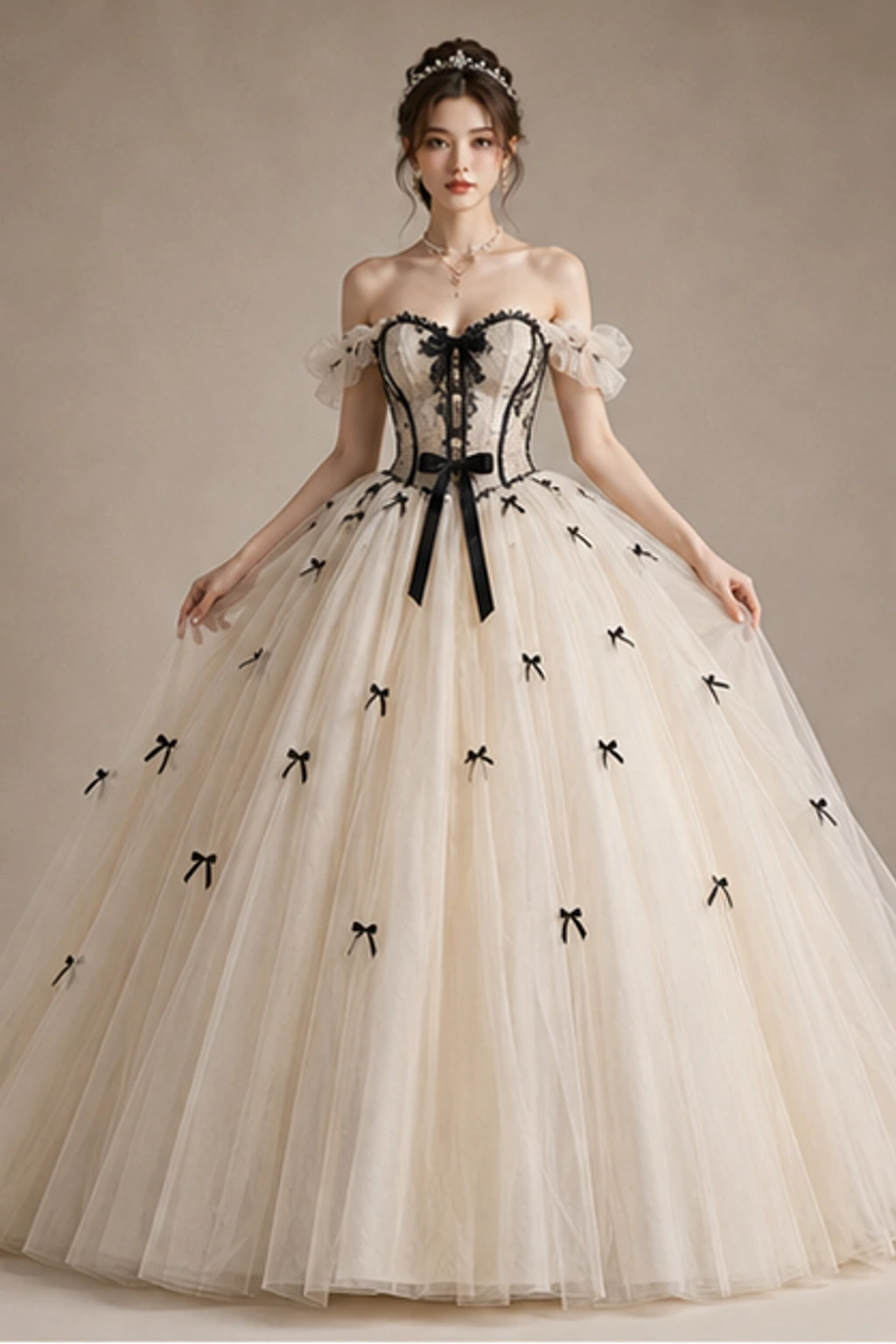
Quick answer
AI virtual try-on is useful for exploring color, styling direction, outfit combinations, and visual concepts. It cannot guarantee exact size, physical fit, fabric behavior, comfort, or product accuracy.
What a virtual try-on is good at
Use it to compare styling directions, preview an unfamiliar silhouette, plan a shoot or social post, and shortlist outfits before spending more time or money.
What it cannot verify
A generated image does not know the garment's exact measurements or how the real fabric stretches, weighs, moves, or feels. Small logos, lace, jewelry, and layered construction can also be reinterpreted.
- Not a size recommendation
- Not proof of material or construction
- Not a guarantee of identity or detail preservation
Make responsible decisions
Use the image as one visual planning aid. For purchases, check the seller's measurements, fabric description, return policy, and real customer photos. For commercial work, review every generated detail before publishing.
Use it for visual exploration
Virtual try-on is strongest when the question is visual: Does this color suit the photo? Is the silhouette worth exploring? Which styling direction should a creator or shopper shortlist? It can reduce the cost of early experimentation without pretending to be a physical garment simulation.
Do not confuse appearance with fit
A convincing image may still be physically impossible or inaccurate. The system does not know your body measurements, the garment pattern, seam allowance, stretch percentage, lining, weight, or how the fabric behaves while moving.
Apply a higher standard to commercial images
For inspiration, small deviations may be acceptable. For a product page, advertisement, or client deliverable, verify color, print placement, closures, pockets, seams, transparency, and accessories against the real item. Clearly avoid presenting invented details as product facts.
Interpret confidence by the type of question
Confidence should be higher for broad visual preference and lower for hidden physical properties. The preview can help answer whether you prefer emerald or navy, but not whether a waist will pinch after sitting. Treat every conclusion according to what the image can actually observe and generate.
Update conclusions as the product changes
AI systems and product workflows evolve, so an old test should not be treated as permanent evidence. Record the date and conditions of important comparisons. When Dressora changes its generation workflow, repeat representative examples before making new claims about accuracy, consistency, or business impact.
Responsible-use checklist
- Use results as visual concepts, not measurement data
- Check retailer size charts before buying
- Verify patterns, logos, seams, and closures
- Do not infer comfort or fabric feel
- Review commercial images at full resolution
- Disclose AI use where the context or platform requires it
What level of confidence is reasonable?
| Question | Usefulness of AI preview | What else you need |
|---|---|---|
| Which color direction do I prefer? | High for early exploration | Real product color under normal light |
| Do I like the overall silhouette? | Useful for shortlisting | Product measurements and real customer photos |
| Which size should I buy? | Not reliable | Body measurements and retailer size chart |
| How will the fabric feel or move? | Not reliable | Material specification, video, or physical garment |
| Can I publish this as a product image? | Only after strict review | Verification against the actual item and usage policy |
Common questions
Can virtual try-on tell me which size to buy?
No. Use the retailer's measurements and size guide for that decision.
Can I use the result for a product listing?
Review it carefully first. Generated details may differ from the real product, so it should not misrepresent what a customer will receive.
Can AI virtual try-on reduce returns?
A visual preview may improve style exploration, but return rates also depend on size, comfort, quality, expectations, and retailer policy. Do not claim a guaranteed reduction without measured evidence.
Is a realistic image necessarily accurate?
No. Photorealism describes appearance, not factual fidelity to measurements, construction, or material behavior.
When is a physical fitting still necessary?
Whenever size, comfort, mobility, support, tailoring, safety, or an important purchase decision depends on the real garment.
Ready to try a look?
Choose an outfit, upload one clear photo, and create your own Dressora virtual try-on.